If you love painting with acrylics, you might wonder why you would ever want to try oil painting. After all, acrylics are versatile, accessible, relatively quick-drying, and available in just about every colour imaginable. So what does oil painting have to offer?
Quite a lot, actually!
As someone who has worked with and taught both mediums, I can tell you that oil painting offers a completely different experience. It’s richer, softer, more buttery, and gives you something acrylics don’t naturally offer: time.
Time to create, time to change your mind, time to fix something that isn’t quite right, and time to step back and reflect on your work before deciding what comes next.
That doesn’t mean oil painting is better than acrylic painting. Both mediums have wonderful strengths, and I wouldn’t suggest giving up one for the other. In fact, they can work beautifully together in the same painting. Learning to work with oils could open up an entirely new world of creative possibilities.
Let’s explore why you might want to give it a try.
What Makes Oil Painting Different from Acrylic Painting?
The biggest difference between acrylics and oils is how they behave while you’re painting.
Acrylic paint is water-based and dries relatively quickly. Depending on the thickness of the application and the surrounding conditions, you may have only a few minutes to blend or adjust an area before it begins to dry.
Oil paint, on the other hand, dries much more slowly. This extended working time changes the entire painting experience.
Oil Paint Gives You Time to Think
One of the things I love most about oil painting is that you’re not constantly racing against the drying paint.
You can work on an area, step back, look at it, reconsider your choices, and come back to make adjustments. You can soften an edge, blend a colour, change the shape of something, or rework an area that isn’t quite right.
You have time to reflect on your painting as it develops.
I think this is one of the most appealing aspects of oils, particularly for people who enjoy taking a thoughtful approach to their artwork. Rather than feeling pressured to make every decision immediately, you can slow down and allow the painting to evolve.
The Buttery Consistency of Oil Paint
Oil paints have a beautiful, buttery consistency that feels quite different from acrylics.
They move differently across the canvas, blend beautifully, and allow you to create soft, subtle transitions between colours.
There is also a richness and depth to the finished appearance of oil paintings that many artists find particularly appealing.
The way oil paints hold their colour, the softness of blended edges, and the ability to work into wet paint give the medium a distinctive look and feel.
If you enjoy experimenting with colour and creating subtle transitions, you may find oils particularly satisfying.
The Advantages of Oil Painting
There are several reasons why an acrylic painter might fall in love with oils.
1. Blending Is Much Easier
If you’ve ever struggled to blend colours smoothly with acrylics before they dry, you’ll appreciate what oils can do.
Because oil paints remain workable for much longer, you can blend colours directly on the canvas and create beautiful, gradual transitions.
This is particularly useful when painting:
- Skin tones and portraits
- Skies and atmospheric landscapes
- Shadows and highlights
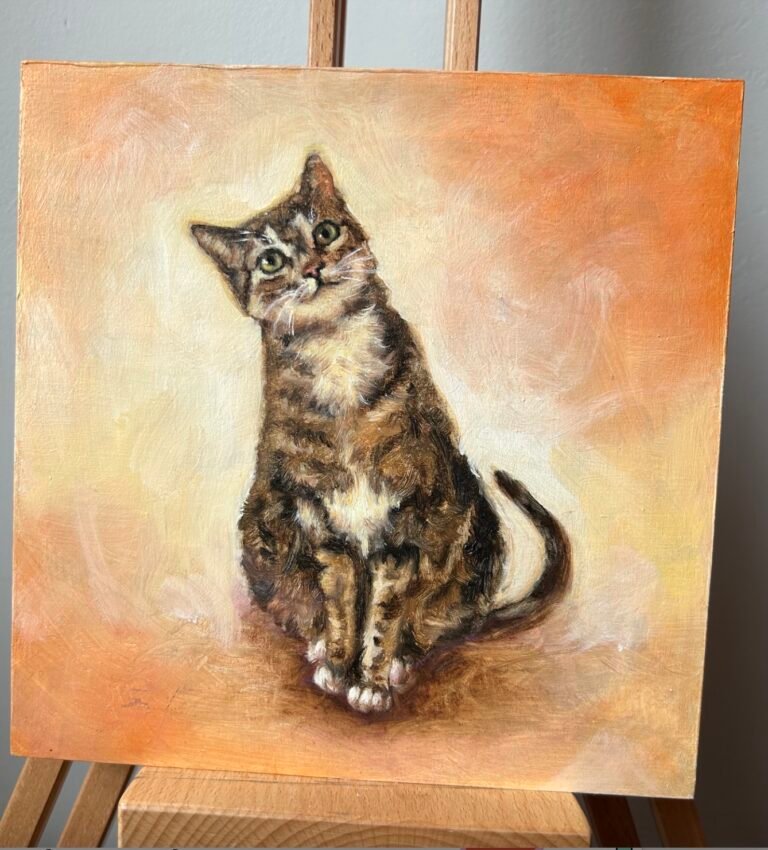
- Fur and animal portraits
- Soft transitions between light and dark
You can continue working an area until you’re happy with the result rather than trying to get everything right before the paint dries.
2. Wet-on-Wet Painting
Oil painting allows you to work wet-on-wet, meaning you can apply fresh paint over areas that are still wet.
This creates opportunities for beautiful blending, soft edges, and painterly effects that can be more challenging to achieve with fast-drying acrylics.
You can introduce new colours, soften transitions, and manipulate the paint directly on the canvas.
It’s a very enjoyable way to work, particularly if you like having the freedom to experiment.
3. More Time to Correct and Refine Your Work
One of the biggest advantages of oils is that you can change your mind.
Perhaps a shadow is too dark, a highlight isn’t quite right, or something in your composition needs adjusting. With oils, you have a much longer window to make those changes.
You can step away from your painting, look at it with fresh eyes, and return to make improvements.
This ability to reflect and refine can be especially rewarding when working on more detailed subjects such as portraits or landscapes.
4. Beautiful Colour and Depth
Oil paints are known for their richness and depth of colour.
Their buttery consistency and blending properties allow you to create beautiful variations in colour, subtle transitions, and expressive brushwork.
If you enjoy creating paintings with a more traditional fine-art appearance, oils are definitely worth exploring.
Can You Combine Acrylic and Oil Paint in the Same Painting?
Here’s something many artists don’t realize: you don’t necessarily have to choose between acrylics and oils. You can actually use both mediums in the same painting!
One of the advantages of acrylic paint is that it dries quickly, making it an excellent choice for establishing the foundation of a painting. You can use acrylics to block in your composition, establish large areas of colour, and develop your background before introducing oils.
Once the acrylic layer is completely dry, you can apply oil paint over top.
This approach gives you the best of both worlds: the convenience and quick drying time of acrylics, combined with the richness, blending capabilities, and extended working time of oils.
Why Start with Acrylic and Finish with Oils?
There are several advantages to this approach:
- Establish your composition quickly: Use acrylics to sketch in your subject, block in large shapes, and establish the overall structure of your painting without waiting for layers to dry.
- Build your background efficiently: Acrylics are wonderful for covering larger areas and establishing your initial colours.
- Save your oils for the details: Once your acrylic foundation is dry, you can use oils for more refined areas, including soft transitions, highlights, shadows, and details.
- Enjoy the richness of oil paint: Your final layers can benefit from the buttery consistency, depth, and blending properties that make oils so appealing.
- Make the most of both mediums: Rather than using oil paints for every initial layer, you can reserve them for the parts of the painting where their unique qualities really shine.
Are There Any Rules to Follow?
Yes! The most important rule is that you can paint oils over acrylics, but you should never paint acrylics over oils.
Oil paint creates a surface that acrylic paint doesn’t adhere to reliably. Acrylics, however, provide a suitable foundation for oil paint once they are completely dry.
It’s also important to use a suitable painting surface and follow the manufacturer’s recommendations for your materials.
This combination is a wonderful way to experiment with the strengths of both paints.
If you’re an acrylic painter who is curious about oils, this could be a particularly approachable way to start exploring the medium without abandoning the techniques and materials you’re already comfortable with.
What Are the Advantages of Acrylic Painting?
Of course, acrylics have their own strengths, and there are many reasons artists love working with them.
Acrylics are:
- Fast-drying: You can complete paintings relatively quickly and move on to the next layer without a long wait.
- Water-based: Brushes and equipment can be cleaned with water while the paint is still wet.
- Versatile: You can work with thin washes, thick applications, textures, and a variety of acrylic mediums.
- Convenient: They are generally easier to transport and set up, making them ideal for painting at home or in different locations.
- Great for layering: Their quick drying time makes it easy to build up layers without disturbing the paint underneath.
Neither medium is better than the other. They simply offer different ways of working.
Some artists love the speed and versatility of acrylics, while others enjoy the slower, more reflective process of oils. And there’s absolutely no reason you can’t enjoy both!
Are There Any Downsides to Oil Painting?
I actually prefer to think of these as differences rather than downsides. Each medium has its own strengths, and what one artist finds challenging, another might find enjoyable.
There are, however, a few practical things to understand before getting started.
Oil Paint Takes Longer to Dry
The extended drying time is one of the biggest differences between oils and acrylics.
While this gives you more time to work and make changes, it also means you need to be more patient when building up layers or completing a painting.
Depending on the pigments, paint thickness, and environmental conditions, an oil painting can take days or even weeks to become touch-dry. Full curing takes considerably longer.
If you like to finish a painting in one sitting and immediately pack everything away, acrylics may be more convenient.
Oil Painting Can Be Messier
Oil paints can be messier to work with, particularly if you’re accustomed to simply washing your brushes with water.
However, there’s an interesting advantage to that slower drying time. Because oil paint remains workable for longer, you have more time to clean up spills, wipe surfaces, and deal with accidental paint marks before they become difficult to remove.
The key is having a suitable cleaning routine and knowing how to care for your brushes and equipment.
Oil Painting Requires Some Different Supplies
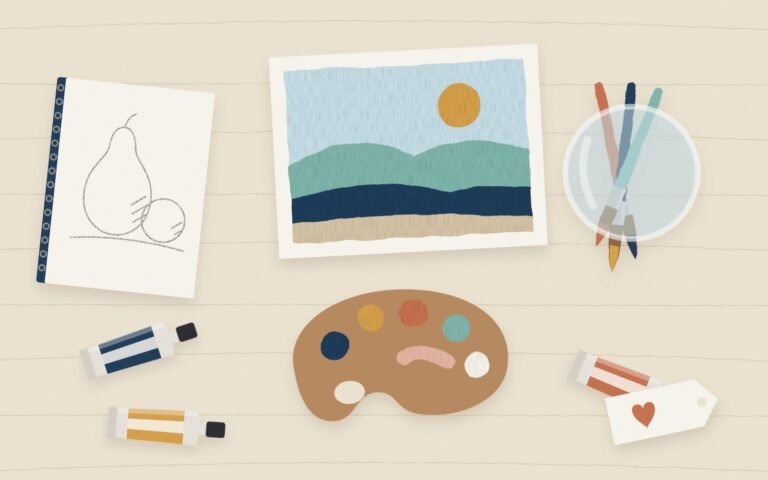
When switching from acrylics to oils, you’ll need to become familiar with a few additional materials.
These may include:
- Oil paints
- Suitable brushes
- Painting mediums, if desired
- A palette and palette knives
- Appropriate brush-cleaning materials
- A suitable surface for oil painting
You don’t necessarily need an enormous collection of supplies to get started. A basic selection of colours and a few good brushes are enough to begin exploring the medium.
Do Oil Paints Smell?
This is one of the most common misconceptions about oil painting.
People often associate oil painting with a strong chemical smell, but much of that smell comes from traditional solvents rather than the oil paint itself.
Odourless mineral spirits and other suitable alternatives are available, allowing artists to work without the strong smell associated with traditional solvents.
It’s important to remember that odourless doesn’t mean non-toxic. Solvents still require appropriate handling, storage, and ventilation according to the manufacturer’s safety instructions. You can also explore solvent-free painting methods.
Oil painting doesn’t have to mean working in a studio filled with strong chemical smells.
Is Oil Painting Difficult to Learn If You Already Know Acrylics?
Not at all!
In fact, if you’ve already spent time painting with acrylics, you have a wonderful foundation for learning oils.
You already understand many of the fundamentals of painting:
- Colour mixing
- Composition
- Light and shadow
- Brush techniques
- Creating depth
- Working with highlights and shadows
The biggest adjustment is learning how the paint behaves differently.
You may need to rethink how you approach blending, layering, and timing, but you aren’t starting from scratch.
And here’s something I particularly want to emphasize: oil painting isn’t just for experienced artists!
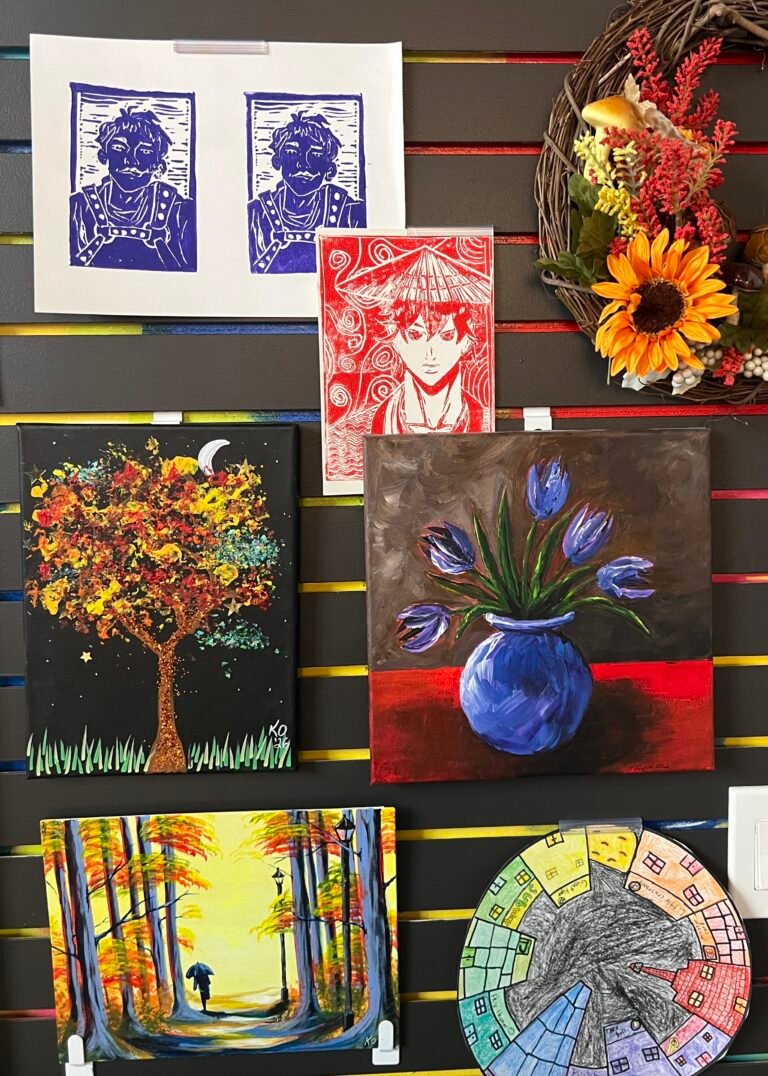
At Cartizan Studio, we’ve offered oil painting classes to children as young as six, teenagers, and adults.
We’ve explored all sorts of subjects, from animal caricatures to classic landscapes and pet portraits.
You don’t need to be an accomplished acrylic painter to enjoy oils. You just need to be curious and willing to try something new.
What Can You Paint with Oils?
One of the wonderful things about oil painting is its versatility.
It’s a beautiful medium for a wide variety of subjects and artistic styles.
Some particularly enjoyable projects include:
- Pet portraithttps://cartizanstudio.ca/product-category/adult/s: Oils are wonderful for blending fur colours, creating texture, and capturing the personality of an animal.
- Landscapes: The ability to blend colours and create atmospheric transitions makes oils particularly lovely for skies, trees, water, and natural scenery.
- Portraits: The extended blending time is ideal for working with skin tones, subtle shadows, and delicate transitions.
- Still life: Oils allow you to explore light, reflections, textures, and the subtle differences between surfaces.
You might discover that a subject you’ve painted many times in acrylics takes on an entirely different character when you approach it with oils.
Why Not Try Oil Painting at Cartizan Studio?
If you’ve been curious about oil painting but haven’t known where to start, I’d love to encourage you to give it a try!
At Cartizan Studio in Winnipeg, we offer several opportunities to explore oil painting, whether you’re completely new to the medium or already have experience with acrylics.
Our offerings include:
One-Night Oil Painting Workshops
Our one-night workshops are a wonderful way to dip your toes into oil painting without committing to a longer course.
You’ll get to experience the consistency of the paint, explore blending techniques, and discover just how different oils feel compared with acrylics.
It’s a great opportunity to experiment, have fun, and see whether this medium is something you’d like to explore further.
Oil Painting Essentials: Five-Week Pet Portrait Course
If you’re ready to explore oil painting in more depth, our five-week Oil Painting Essentials course focuses on pet portraits.
You’ll have the opportunity to develop your skills over several sessions, become more comfortable with the medium, and learn how to approach a more detailed subject.
It’s a great way to build confidence while discovering what oil paints can do.
Five-Week Oil Painting Landscapes Course
If landscapes are more your style, our five-week landscape painting course gives you the opportunity to explore the beauty of oil painting through scenery.
You’ll work with colour, light, shadow, blending, and the techniques that make oils such a wonderful medium for capturing the natural world.
Both courses offer an opportunity to slow down, experiment, and enjoy the process of developing a painting over time.
So, Should You Switch from Acrylics to Oils?
My answer is: You don’t have to switch. Just add another medium to your creative toolkit!
Acrylics are wonderful for their versatility, convenience, and quick-drying properties. Oils offer a richer, softer painting experience with extended working time and incredible blending possibilities.
If you love acrylics, there’s no reason to stop using them. But learning oils might introduce you to techniques, finishes, and a way of working that you didn’t know you were missing.
You might discover that you love the freedom of working wet-on-wet, the buttery feel of the paint, or simply having the luxury of stepping back and reflecting on your work before making your next move.
And you might find that you enjoy switching between the two mediums depending on what you’re painting and how you feel like working that day.
The best way to understand the difference is to experience it yourself.
If you’ve been curious about oil painting, come try a class at Cartizan Studio. Whether it’s a one-night workshop, our five-week Oil Painting Essentials pet portrait course, or our five-week landscape course, we’d love to introduce you to the wonderful possibilities of oil painting.
You might arrive as an acrylic painter and leave with a new favourite medium!