“I can’t even draw a stick figure!”
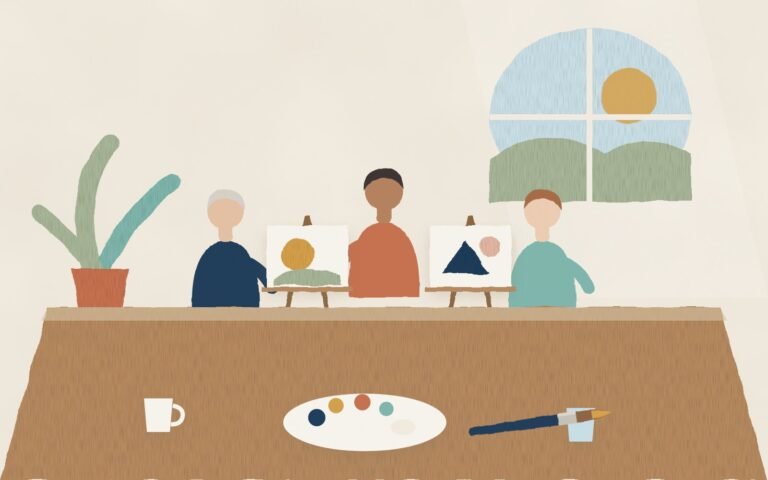
As an art instructor at Cartizan Studio in Winnipeg, I hear this all the time. People tell me they would love to try painting but believe they aren’t naturally artistic. They worry about their lack of experience or fear falling behind everyone else in the class.
My answer is simple: No, you do not need to learn how to draw before taking a painting class.
Drawing is a valuable skill, but it is only one part of the creative process. Depending on the type of art you want to create, you may need very little drawing ability to produce something beautiful.
At Cartizan Studio, I believe art is about more than recreating something that already exists. It’s about experimenting, discovering what you enjoy, and finding satisfaction in creating something with your own hands.
Why You Don’t Need to Be Good at Drawing to Paint
One of the biggest misconceptions about arthttps://cartizanstudio.ca/shop/ is that you must master drawing before you can learn to paint. This assumption can prevent people from trying something they might love.
But painting involves much more than drawing accurate outlines. It also involves colour, texture, composition, brushwork, and understanding how materials behave.
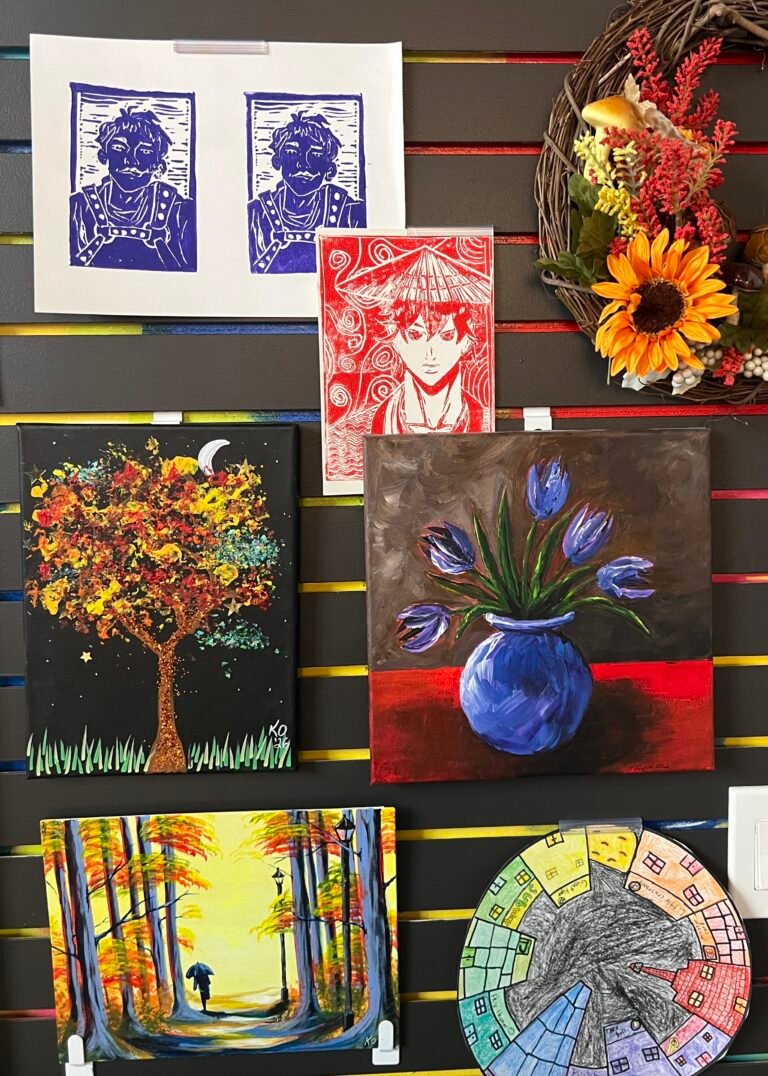
You can create a convincing tree without drawing every branch or paint flowers without making every petal identical. Some styles rely on expressive brushstrokes, layered colours, and the natural effects of the medium itself.
Even drawing a perfect circle or a perfectly straight line is surprisingly difficult. Why should we expect beginners to produce flawless drawings before they can enjoy painting?
Artistic ability isn’t a single skill. You can develop different skills at different rates, and you don’t need to master them all before you begin.
How Art Classes Help Beginners Succeed
At Cartizan Studio, we recognize that everyone has different strengths and struggles with different parts of an artwork. Our job is to help participants work through those challenges by offering practical techniques, demonstrations, and individual guidance.
Sometimes, a small shortcut can make the difference between feeling overwhelmed and enjoying the creative process.
Using Templates for Tricky Parts
When painting a tree, for example, we might provide a template showing the shape of the trunk. This allows participants to focus on painting, adding colour, and developing texture rather than worrying about drawing a convincing tree.
For a beach-chair painting, we sometimes use a temporary Cricut-cut sticker in the shape of the chair. Participants paint over the entire canvas, then remove the sticker to reveal the chair’s outline, ready to be painted in.
These techniques don’t take away the creative experience. They remove technical obstacles so participants can concentrate on learning and creating.
Getting Help When You Need It
One person might struggle with blending colours, while another has trouble controlling a brush or creating texture. We offer assistance wherever participants need it, rather than expecting everyone to have the same abilities.
You don’t have to be an expert before arriving at a class. You simply need to be willing to try.
Trust the Process
One of my favourite things about teaching art is watching people discover what they can accomplish when they stop worrying about perfection.
There is a regular student in our classes who can often be heard quietly repeating, “Trust the process. Trust the process.”
I love that because it captures something essential about creating art.
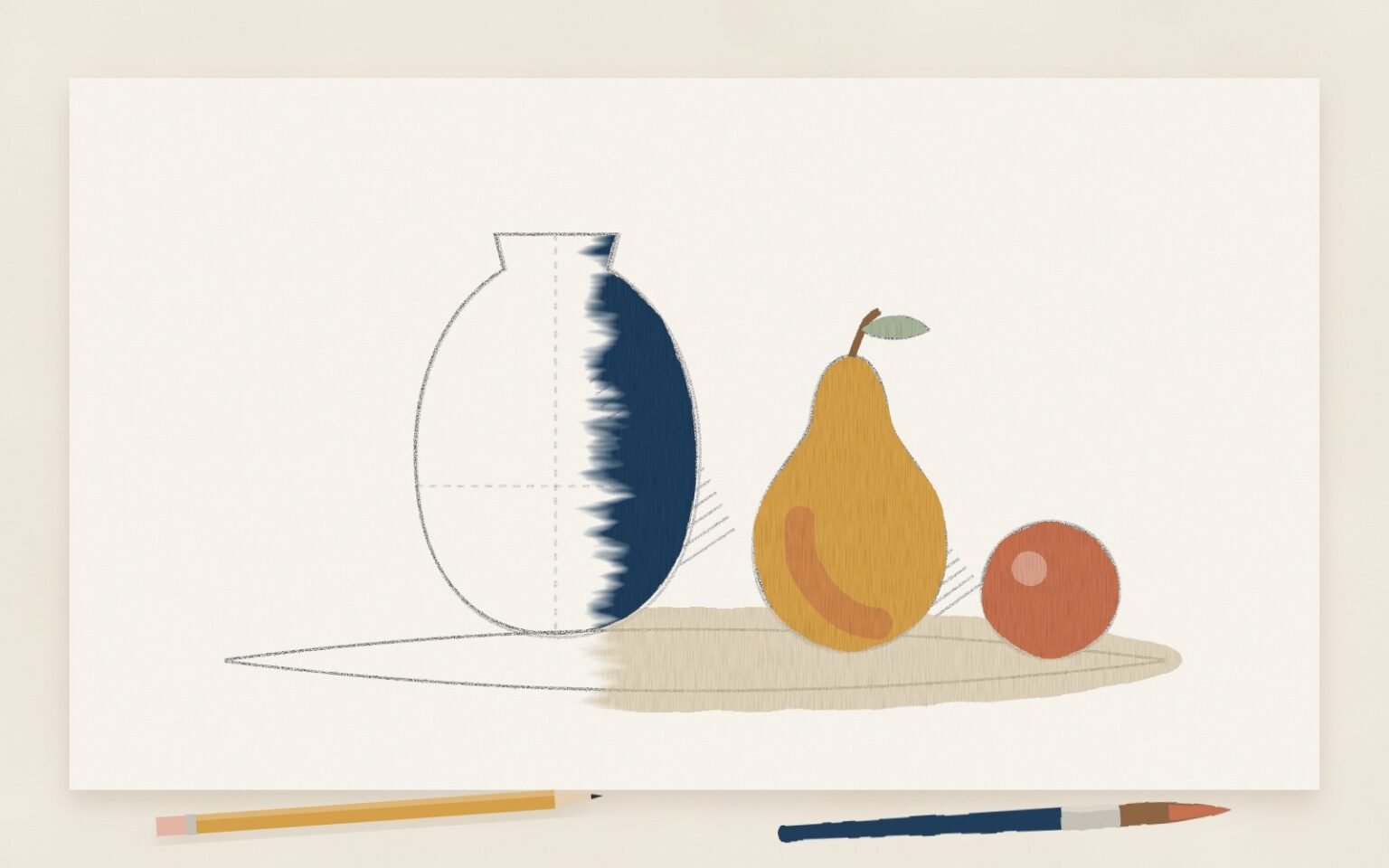
Workshops often follow a step-by-step process. You learn one technique, practise it, and gradually build on what you’ve learned. At first, your painting might not look much like the finished example. You might wonder how the colours, shapes, and textures will come together.
But a painting isn’t supposed to look finished at every stage.
Sometimes the next layer is exactly what it needs. Sometimes adding shadows or highlights suddenly brings everything together. And sometimes an instructor’s individual tip helps you see your work differently.
When you follow the steps and have someone available to guide you, the finished piece can become something you’re genuinely proud of.
You don’t need to know every step before you start. You just need to be willing to take the first one.
Does the Type of Painting Matter?
Absolutely. In my experience, whether drawing skills are important depends on the type of art you want to produce.
If you’re creating a technical architectural sketch, drawing accuracy is essential. You need to understand proportions, perspective, and precise lines.
But if you’re painting flowers, you may rely more on expressive brushstrokes, colour, and the movement of your brush than on carefully drawn outlines.
The same applies to many landscapes and abstract paintings. You can suggest shapes and forms through colour and texture rather than drawing every detail first.
Different artistic goals require different skills. You can develop your drawing ability as you go, if and when your chosen style requires it.
Finding Your Gateway Medium
I often tell people that everyone has a gateway medium: an art form that feels natural, enjoyable, or satisfying to them.
For some, it’s acrylic painting. For others, it’s watercolour, clay, soapstone carving, or needle felting.
The trick is finding the medium that suits your personality and the way you like to create.
If You Like Control, Try Acrylic or Oil
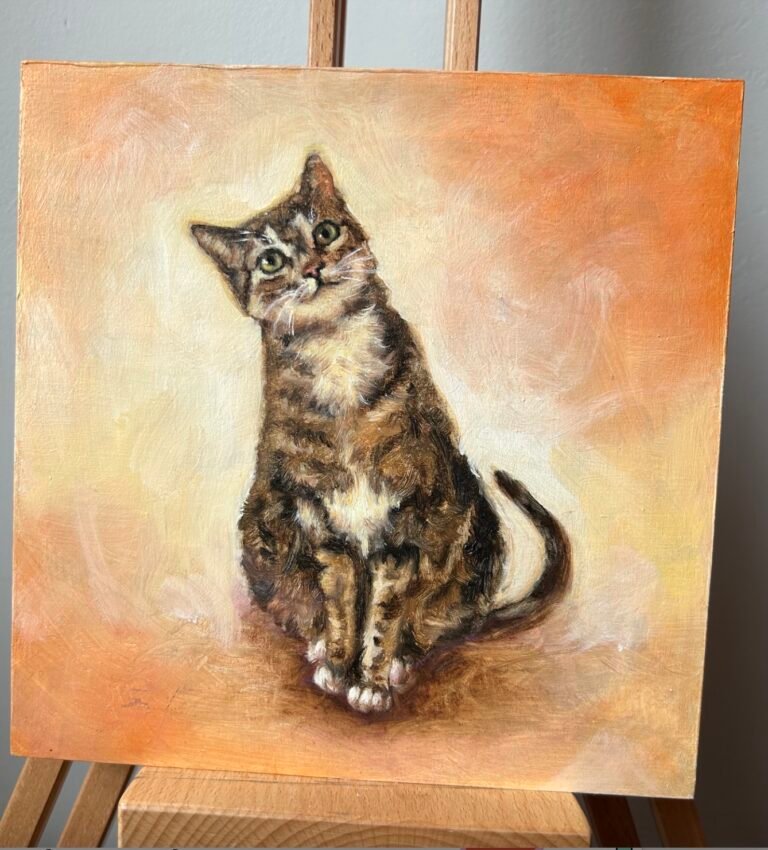
If you prefer structure and deliberate decision-making, acrylic or oil painting might appeal to you. These mediums allow you to build layers, refine shapes, adjust colours, and work toward a particular result.
If You Enjoy Surprises, Try Watercolour
Watercolour is different. The paint moves with the water, colours blend, and unexpected effects appear as pigment spreads across the paper.
You can guide the process, but you can’t always control every detail. If you enjoy watching something develop organically, watercolour can be wonderfully rewarding.
If You Prefer Working with Your Hands, Try Clay or Soapstone
Clay allows you to experiment with pinching, coiling, and building shapes. Soapstone carving involves gradually shaping a form by removing material.
Neither requires you to be an accomplished drawer before you begin. You may discover that you enjoy sculpting far more than painting, and that’s perfectly fine.
If You Need to Release Some Frustration, Try Needle Felting
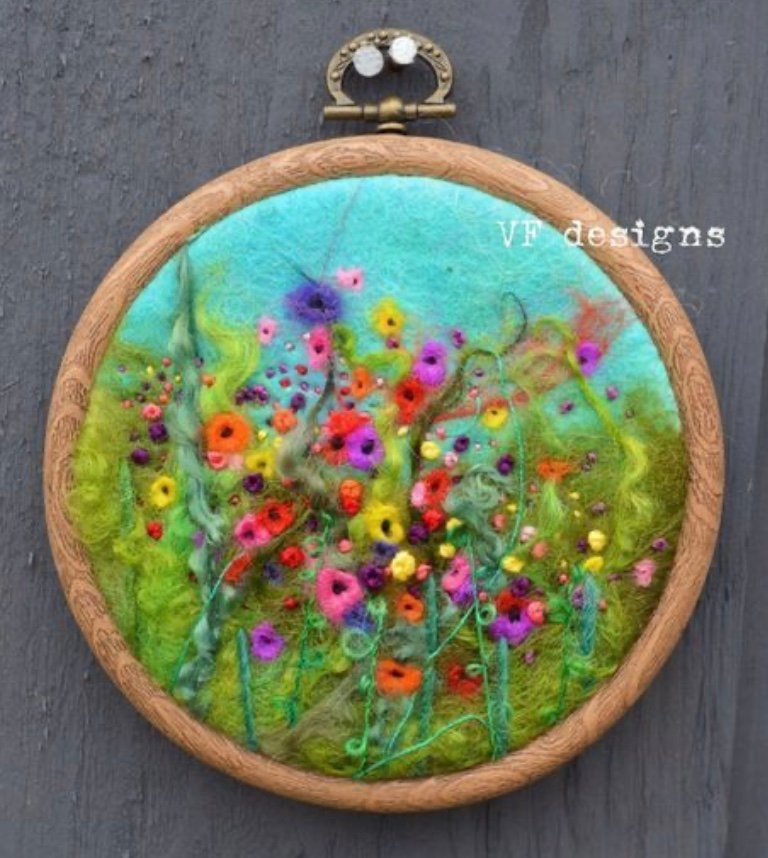
Sometimes, the creative process itself is what you need most. Needle felting involves repeatedly stabbing soft fibres with a special needle to shape and compact the material.
Yes, sometimes making art really can involve sitting down and stabbing something soft over and over again!
Different mediums offer different experiences. Some are calming, some are expressive, and others are satisfying simply because of the physical process. You don’t have to love every medium. You just have to find one that makes you want to keep creating.
What If Everyone Else Is Better Than You?
Many beginners worry that they will fall behind or that their finished artwork will look terrible compared with everyone else’s.
It’s understandable to feel nervous when trying something new, but everyone arrives with different experiences and strengths. Someone might be confident with colour but struggle with drawing. Another person might have excellent drawing skills but feel uncomfortable mixing paint.
At Cartizan Studio, we offer guidance where people need it. The goal isn’t to produce identical paintings or determine who is the most talented person in the room.
It’s to help you learn, enjoy yourself, and leave with something you’ve created.
That feeling of accomplishment is worth far more than comparing your work with someone else’s.
Art Is About More Than the Finished Product
It’s wonderful to finish a painting and have something beautiful to hang on your wall. But I also believe the process of making art can be just as meaningful as the final result.
c gives you an opportunity to slow down, concentrate on something with your hands, experiment, and temporarily set aside the demands of everyday life.
You learn to solve problems, adapt when something doesn’t turn out as expected, and discover that mistakes can become opportunities.
Sometimes, the best part of an art class isn’t the painting you take home. It’s the satisfaction of trying something unfamiliar and discovering you can do more than you thought.
So, Should You Learn to Draw Before Taking a Painting Class?
My advice is simple: don’t wait.
If you want to develop your drawing skills, take a drawing class. But if what you really want to do is paint, there’s no reason you can’t start there.
Look for a beginner-friendly class where the instructor demonstrates techniques, guides you through the steps, and offers help when you need it. Choose a project that appeals to you, and give yourself permission to be a beginner.
You don’t need artistic confidence, years of experience, or a portfolio of beautiful drawings. You don’t even need to know which medium you’ll enjoy most.
You just need to be curious enough to try.
At Cartizan Studio, we believe creativity is something you can explore at any stage of life. Whether you discover a love of acrylic painting, enjoy the unpredictability of watercolour, or find your place in clay or needle felting, there’s a creative experience waiting for you.
If you’re still wondering whether you can do it, remember those words: Trust the process.
Sometimes, you simply have to begin, follow the steps, and see what happens. You might discover that you weren’t lacking artistic ability at all. You just hadn’t found your gateway medium yet.